Water damage restoration in Austin, TX
The water heater in your attic lets go at 2 a.m. and the ceiling underneath is already sagging. We get that call a lot in this town. Someone here picks up, a crew rolls with pumps and meters, and the drying starts before the drywall gives out.
- We bill your insurer directly
- IICRC-certified crews
From the first pump to the last coat of paint
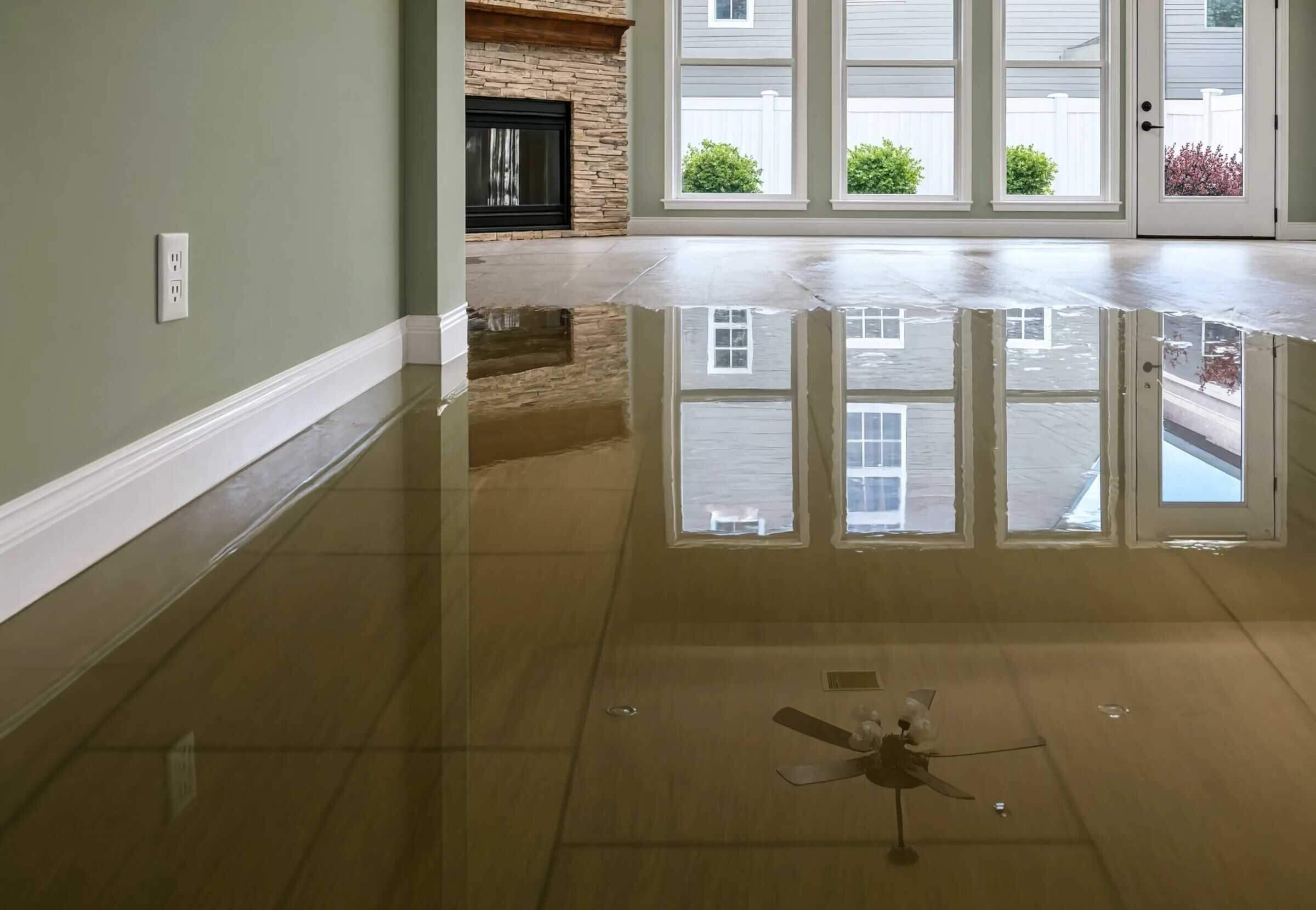
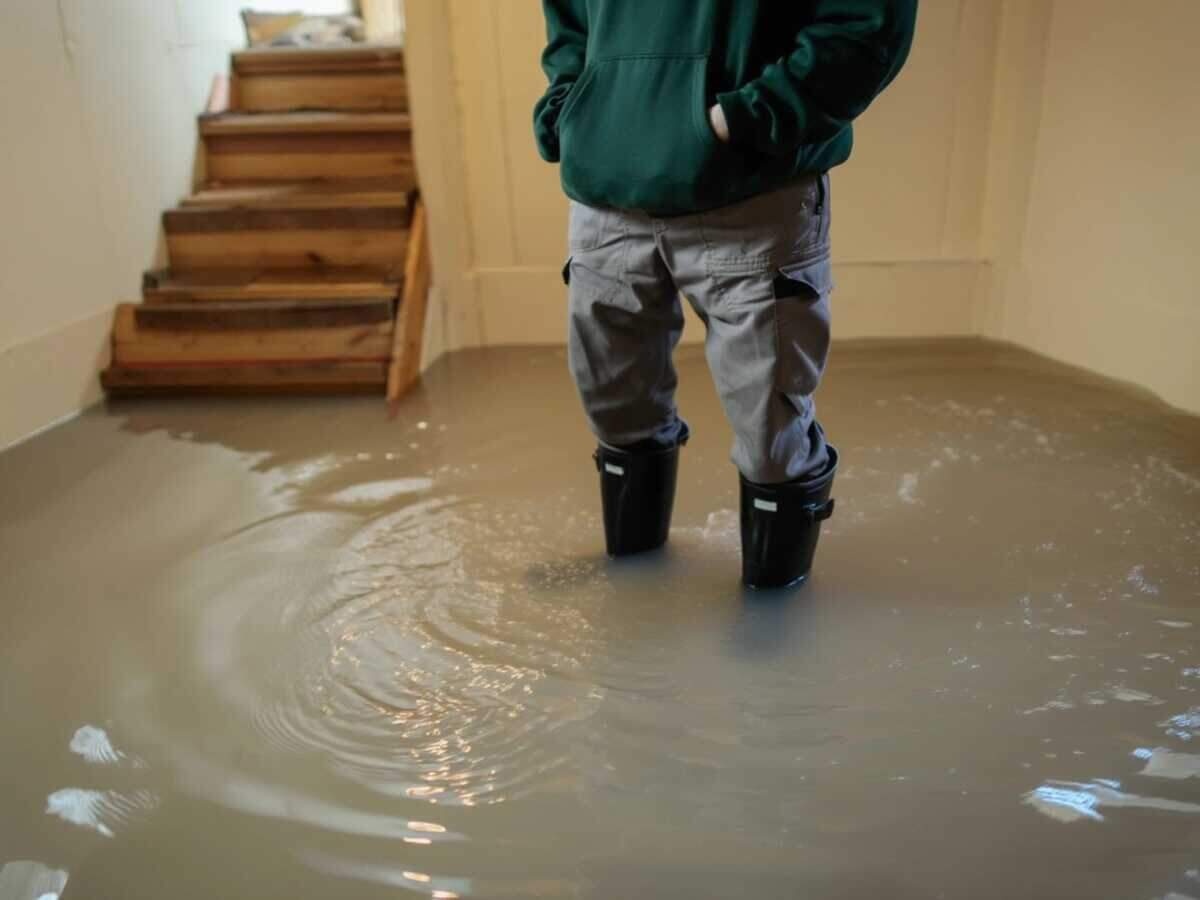
Most of these calls start the same way. There is standing water tonight, and nobody knows yet what it soaked into. We take the job from that first pump all the way through the water damage repair that closes the file, with one crew across the Austin metro instead of a chain of subcontractors.
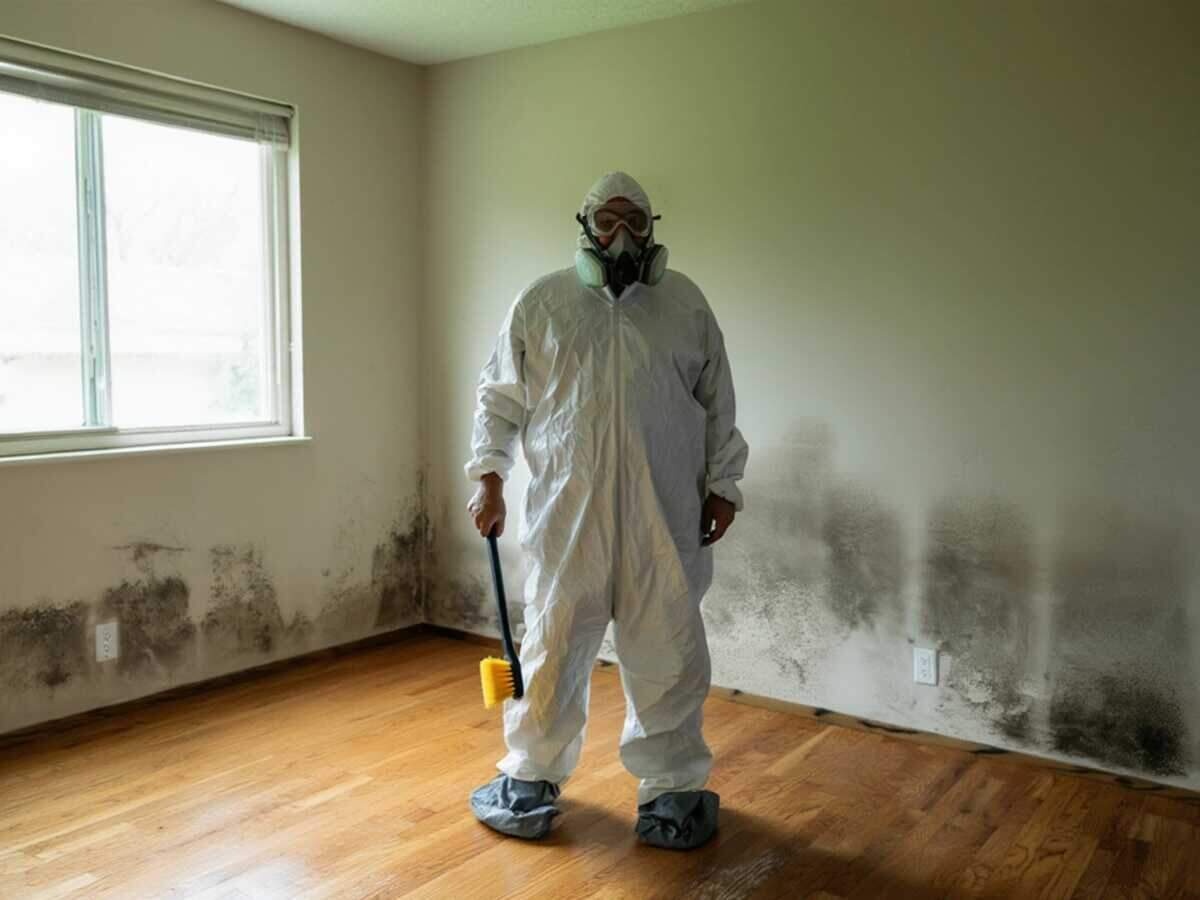
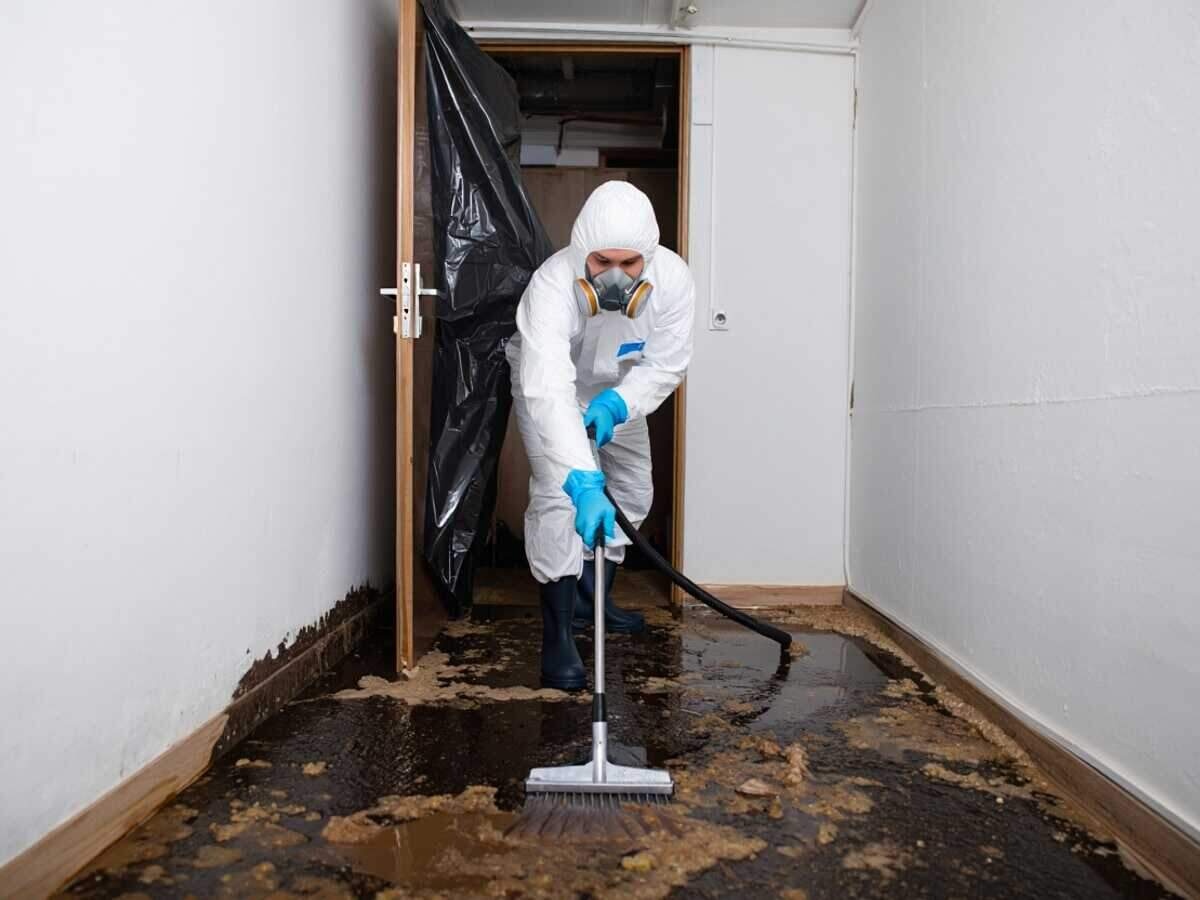
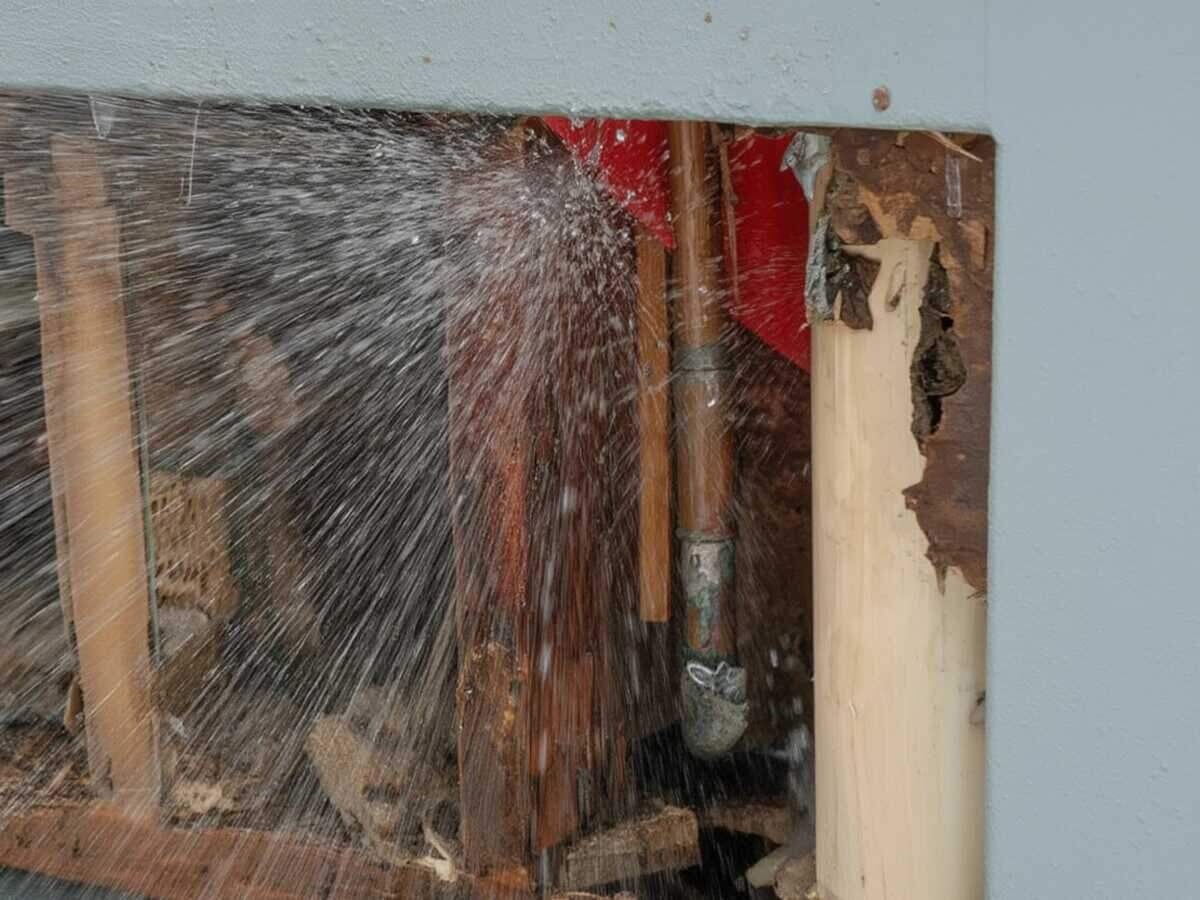
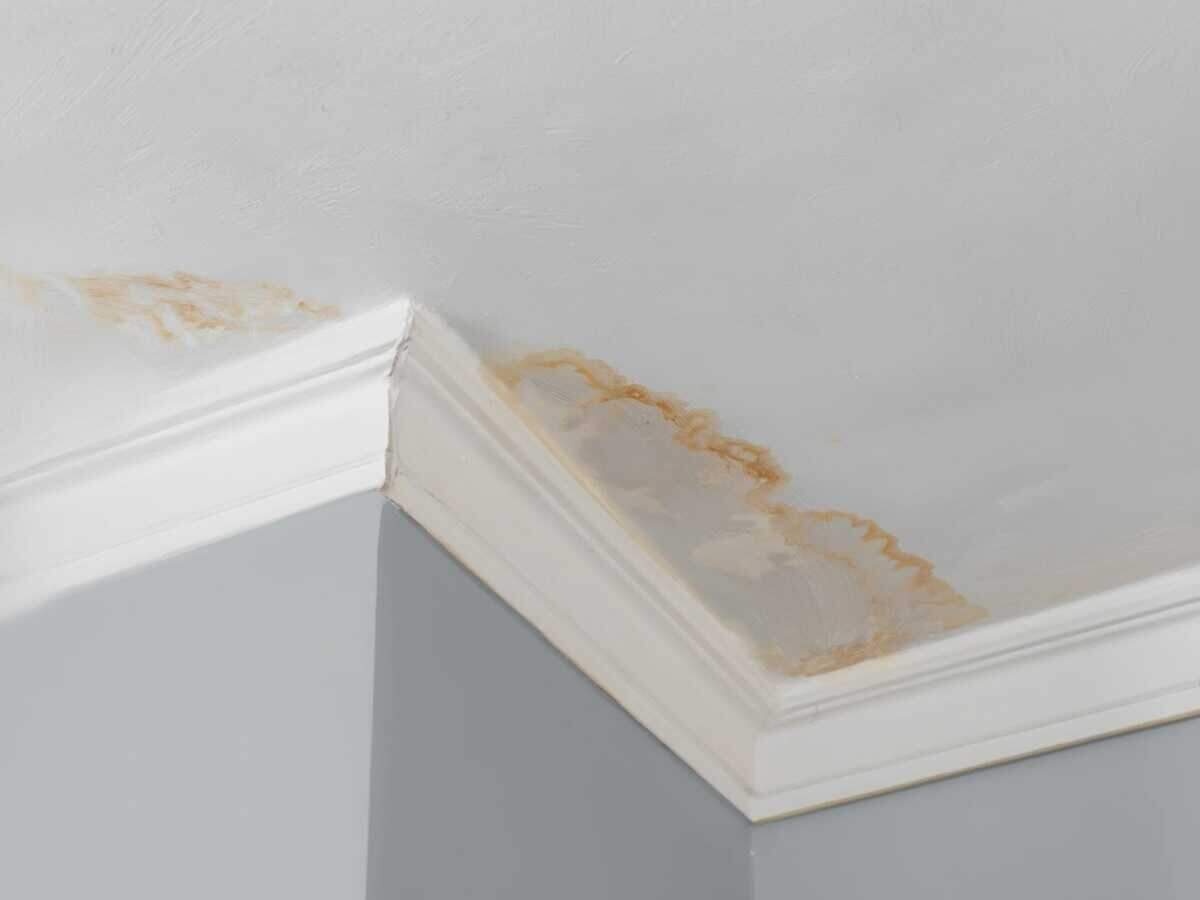
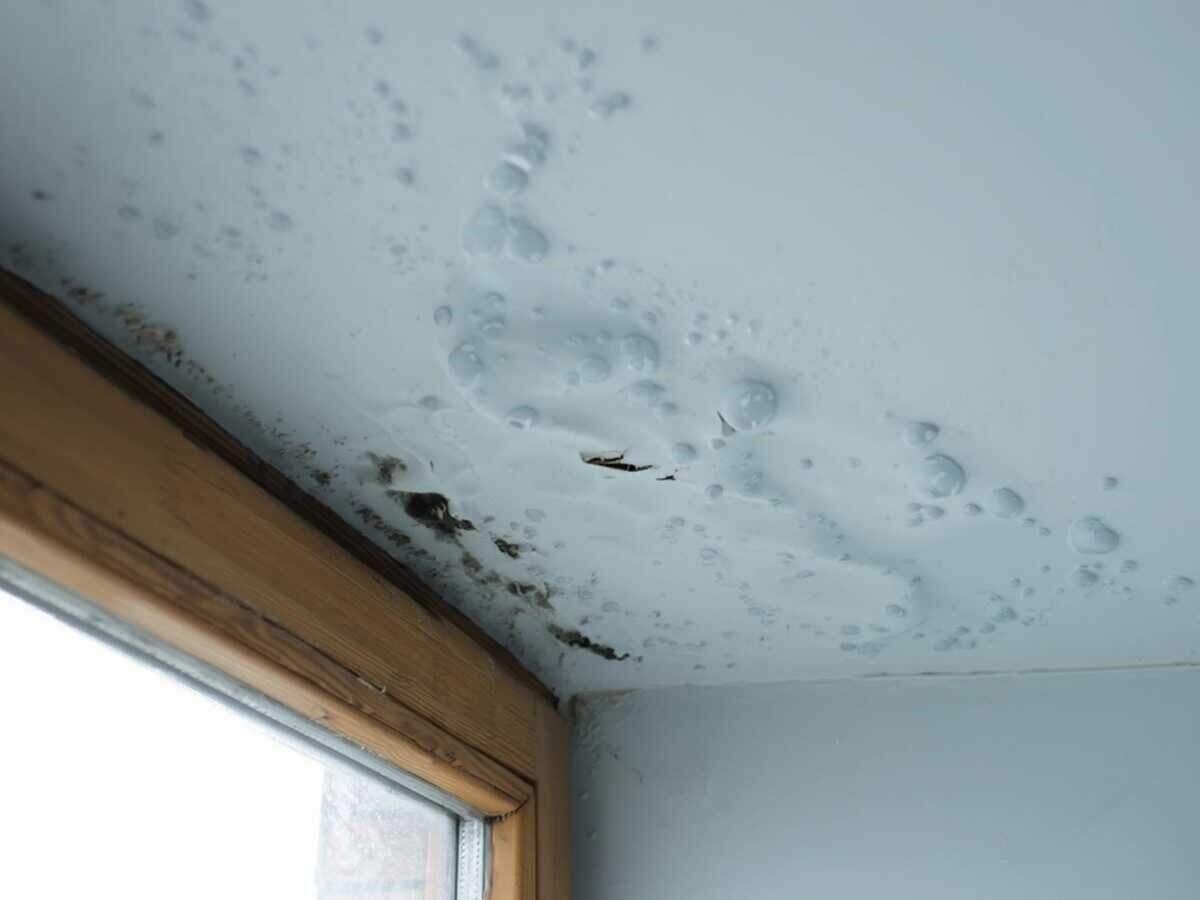
Mitigation stops the loss; restoration puts the room back
Almost every job is both, billed as two line items. Mitigation is the emergency water damage cleanup that keeps a wet baseboard from turning into a tear-out. The rebuild afterward is the other half. Your adjuster reads the difference straight off the moisture log, which is why we keep one.
Stop the loss where it is
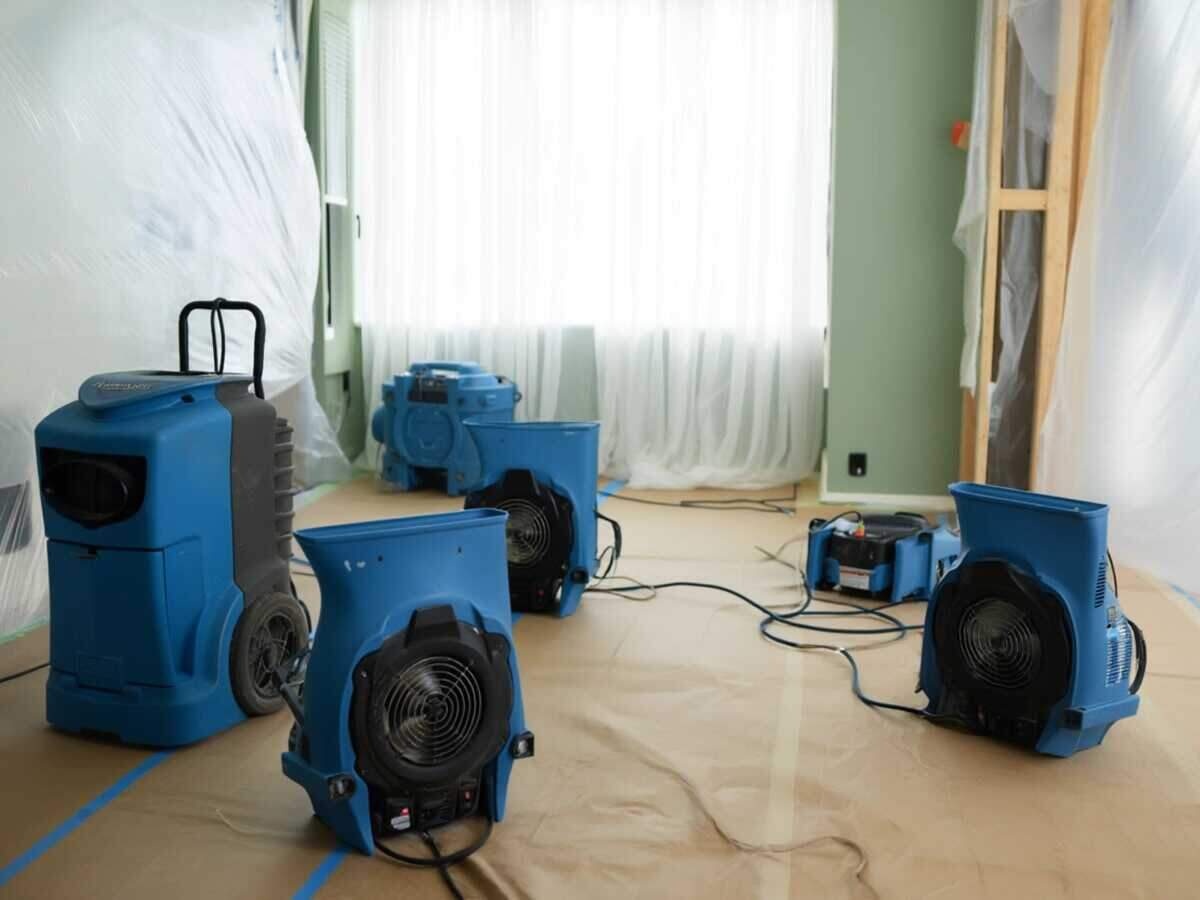
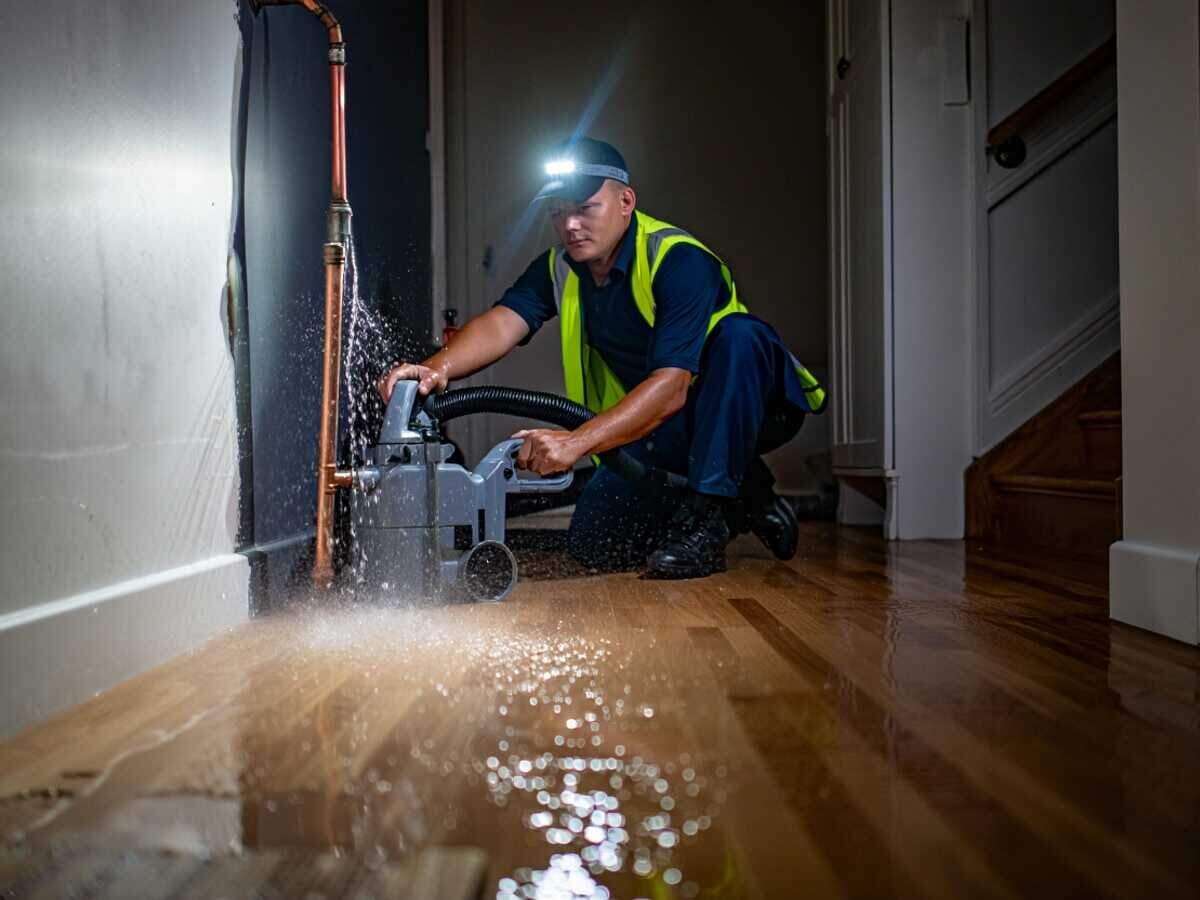
Source off, standing water out, air movers and dehumidifiers set the same day. Your policy paperwork may call this water remediation and your adjuster may call it mitigation. Same work: everything that keeps the damage from reaching the next room.
Put the house back together
Water damage restoration is the rebuild, and it starts only once the meter says the structure is dry underneath. Drywall, trim, flooring, texture, paint. The crew that pulled the wet material out is the crew that closes it back up.
- Extraction and drying equipment set the day you call
- Moisture readings logged room by room, start to finish
- A written scope before anything gets cut out
The three losses we run on most in Central Texas
Almost nothing here has a basement. On slab-on-grade construction the water heater and the air handler go up in the attic, so when a tank corrodes through or a condensate pan overflows in August, the first thing you see is a brown ring on the ceiling and the last thing that dries is the insulation above it.
The rest follows the calendar. Spring storms push wind-driven rain past worn roof flashing, and a hard freeze like Winter Storm Uri in February 2021 splits supply lines inside the walls, where they run for hours before anyone notices. We take the indoor side of all of it: extraction, drying, and the water damage repair afterward. Rising water out of a creek or off the Colorado is a different claim under separate flood coverage, and we will tell you plainly which one you have.
- Attic water heater and AC condensate overflows
- Roof and ceiling leaks after spring storms
- Burst and frozen pipe cleanup when the temperature drops
We help you file your water damage claim
A water claim turns on two things: how fast the drying started, and how well the loss was written down. We photograph everything before a single wet board moves, log moisture readings by room every day the equipment runs, and write the scope in the line-item format adjusters already work in. Then the covered work goes straight to your carrier for payment.
What we will not do is promise you an outcome. We document the loss and answer the adjuster's questions; your carrier decides what your policy covers. If we think a piece of the job is going to land outside it, you hear that from us before we start, not on the invoice.
See how claims work in TexasFrom your call to the last dry reading
Austin Flood & Leak Restoration runs the same four stages on every job. The first one starts while you are still on the phone.
Call & Dispatch
Tell us where the water is coming from. We walk you to the shutoff while a crew loads out.
Extract & Stabilize
Source stopped, standing water pumped, soaked pad and baseboard pulled, drying equipment set.
Dry & Monitor
Meters go in daily. Equipment stays until wet materials match an unaffected room.
Restore & Document
We put back what came out, then hand your insurer the scope with the readings behind it.
What these jobs actually look like
Extraction, drying setups, and tear-out from recent calls around the metro. Tap any photo to see it larger.
Photos from recent residential jobs across Austin, Round Rock, Leander & the surrounding metro.
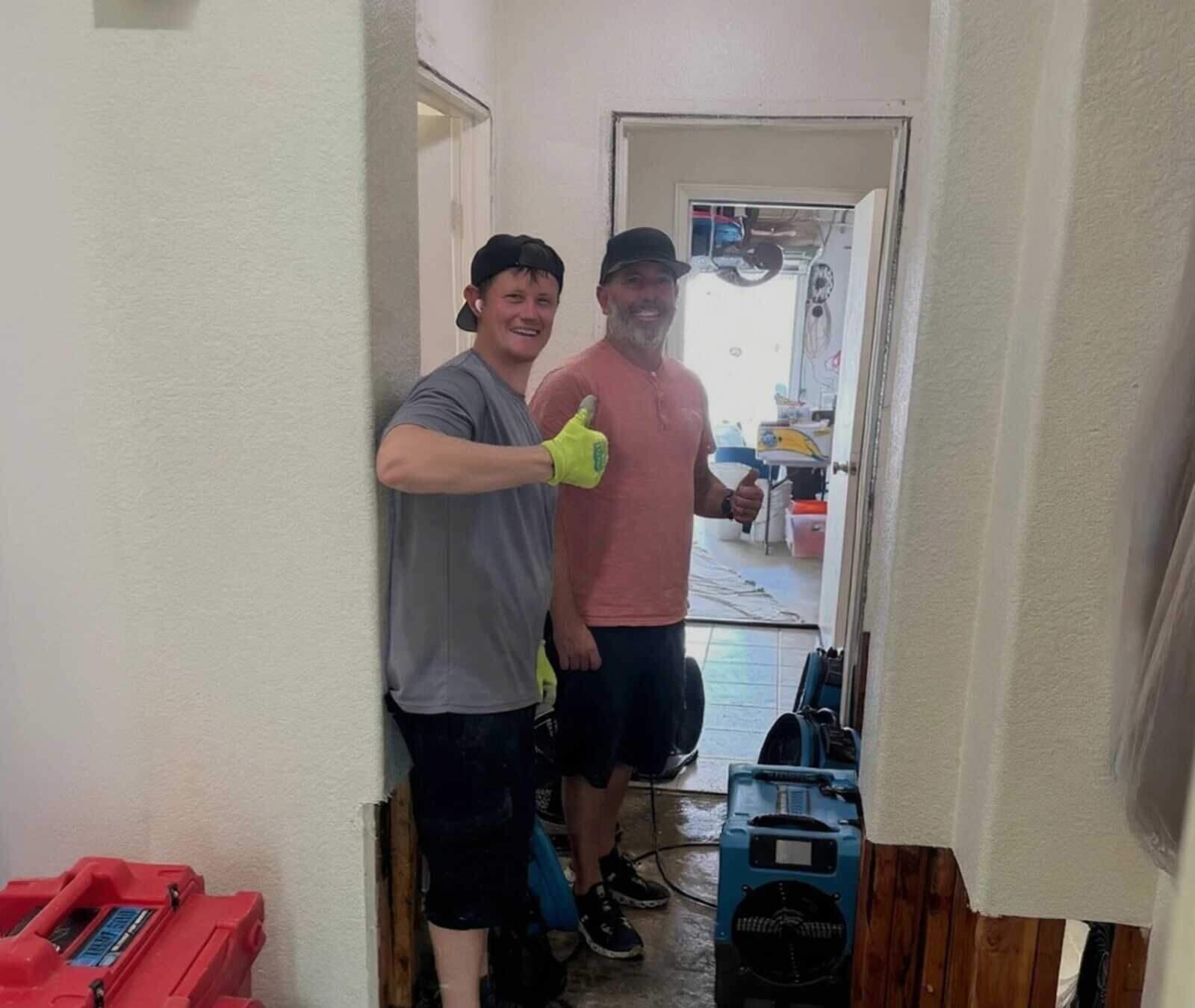
A local crew, not a franchise routing number
Nobody shops for a water damage company on a good day. The call happens with the water still moving, so what matters is who picks up and how far the truck is. Ours stage in the north Austin metro, and the phone reaches a technician, not a call center.
- Dispatched From Here
We drive the same roads you do, so we plan around I-35 at 5 p.m. instead of quoting a time we cannot hold.
- Dry Is a Number
We set the target from an unaffected room and pull equipment when the wet materials match it, not when the floor feels dry.
- You Get the File Too
The photos, the daily moisture readings, and the scope go to your adjuster and to you, same documents.
- No Handoffs
The people who extract the water are the people who hang the drywall. Nothing gets sold to a subcontractor mid-job.




See the crew at work
Short clips from our own jobs around the Austin metro. No stock footage.
Travis, Williamson and Hays, one crew
The same water restoration services run across Travis, Williamson, and Hays counties, from Georgetown down to San Marcos. How long we take to reach you comes down to the hour, the traffic, and which side of the river you are on.
Frequently asked questions
How fast can you get to me in Austin?
Someone answers the phone at any hour and a crew is assigned on that call. Our trucks stage in the north Austin metro, so central and north-side addresses are a short run, often within the hour depending on traffic and where you are. Anything past Kyle or Dripping Springs takes longer, and we will say so on the phone rather than quote you a number we cannot hold.
How do I pick a water damage restoration company near me?
Three questions sort out most of it. Who does the work, employees or a subcontractor found that morning? What gets documented for the claim, and do you get your own copy of the moisture readings? And how is the job declared finished, by a meter or by how the floor feels? A water restoration company that answers those plainly will usually also put a scope in writing before anything gets cut out.
Do you bill my homeowners insurance directly?
Yes, for most carriers. You pay your deductible and we invoice the insurer for the covered extraction, drying, and documentation. We do not decide coverage and we will not pretend to. We record what happened and what it took to fix; your carrier reads that file and rules on it.
How long does water damage restoration take?
Extraction happens the day you call. Structural drying usually runs three to five days, longer if water sat under hardwood or behind tile. We read moisture daily and shut the equipment down when materials hit dry standard, not on a fixed schedule. Rebuild work is scheduled after that and depends on what has to be replaced.
Water came through the ceiling from the attic. What happens first?
Kill the water at the heater or the main, then stay out from under the sagging area. When we arrive we drain the bulge through a relief hole rather than letting a sheet of wet drywall drop, find the source in the attic, and pull the soaked insulation, because wet blown-in insulation holds water against the ceiling long after the room looks dry.
Do you handle burst pipes after a Central Texas freeze?
Yes. Freeze work is a large share of what we do in January and February. Uri-style cold splits supply lines inside exterior walls and above ceilings, and the water usually runs for hours before anyone is home to hear it. We extract it, open and dry the wall cavity, and document the loss for the claim.
Talk to a local technician now
Every hour the water sits, more of the house comes out instead of drying in place. Call (512) 271-5099 and tell us where it is coming from. We start the dispatch and the claim file on the same call, any hour, anywhere in the Austin metro.